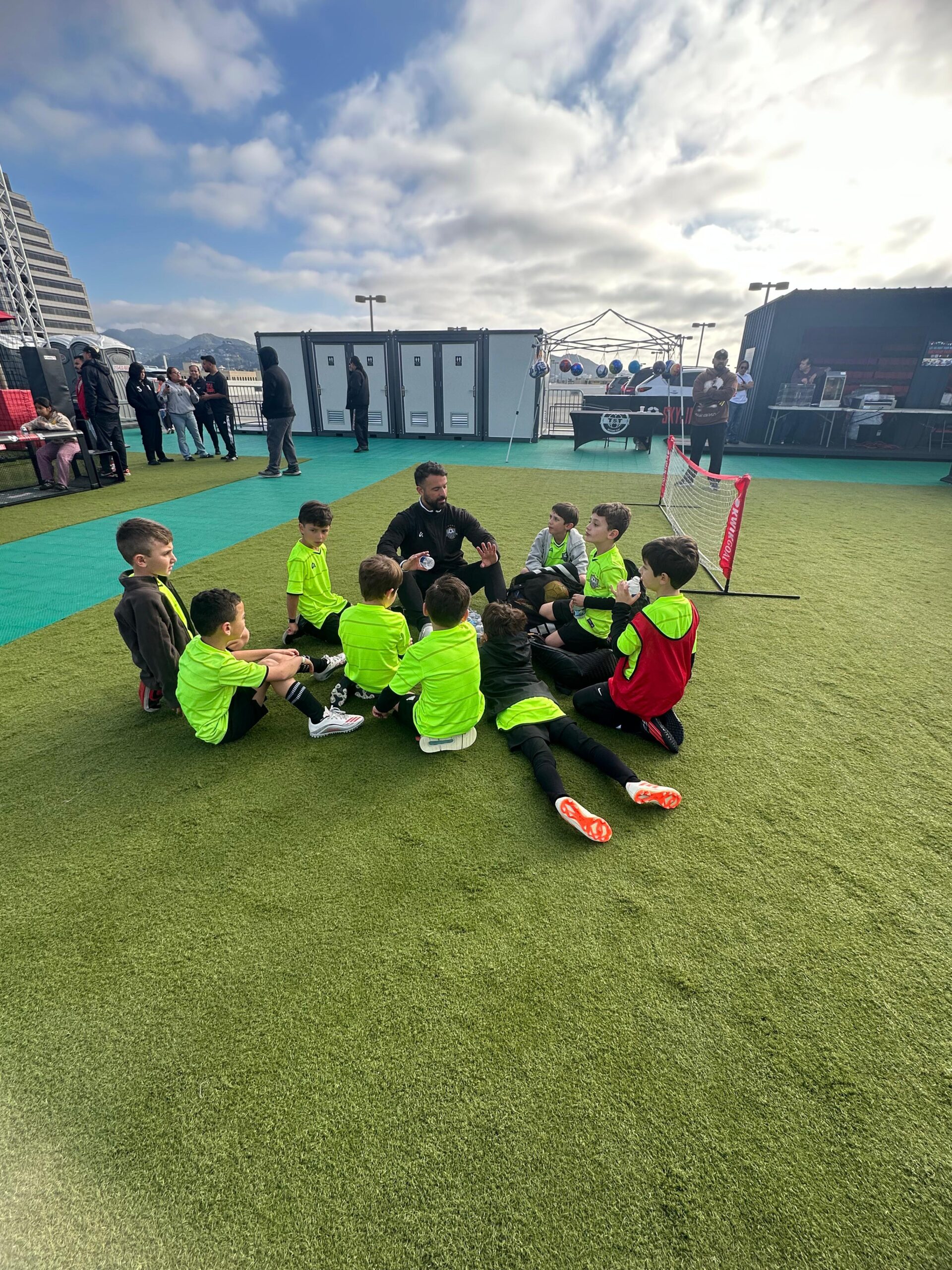
In soccer, one of the most valuable skills a player can develop is the ability to control the ball under pressure. The game moves quickly, defenders close space fast, and players often have only a second or two to make the right decision.
The players who stand out are not always the fastest or strongest — they are the ones who can stay calm, control the ball, and make smart decisions even when opponents are close.
The Importance of a Strong First Touch
Everything starts with the first touch. When a player receives the ball, their first touch determines what happens next. A good first touch creates space, buys time, and opens options. A poor first touch often invites pressure from defenders.
Players should focus on directing their first touch away from pressure whenever possible. This small adjustment can give them the extra moment needed to pass, dribble, or change direction.
Training first touch consistently helps players feel more confident when defenders are nearby.
Awareness Before Receiving the Ball
One of the biggest mistakes young players make is receiving the ball without knowing what is happening around them.
Before the ball arrives, players should scan the field. Looking over their shoulder allows them to see where defenders are, where teammates are positioned, and where space might be available.
This awareness helps players make faster decisions and prevents them from being surprised by pressure.
Using the Body to Protect the Ball
Good players know how to use their body to shield the ball. By positioning their body between the defender and the ball, they can protect possession while preparing their next move.
Simple habits like staying balanced, keeping the knees slightly bent, and maintaining a strong stance can make a big difference when dealing with pressure.
Body positioning often determines whether a player keeps the ball or loses it.
Staying Calm Under Pressure
Pressure can cause players to rush, panic, or make mistakes. The key is learning to stay calm and trust the skills developed in training.
Players who practice in game-like situations become more comfortable when pressure appears during matches. Over time, controlling the ball in tight spaces begins to feel natural.
Confidence grows when players realize they can handle difficult situations on the field.
Turning Pressure Into Opportunity
When players improve their ability to control the ball under pressure, the entire game becomes easier. They can keep possession longer, create better passing options, and help their team maintain control of the match.
Instead of feeling rushed, they learn to use pressure as an opportunity to create space and make smarter plays.
Developing this skill takes time, repetition, and patience. But once players master it, they gain a major advantage on the field.


